Event Topic: Holocaust

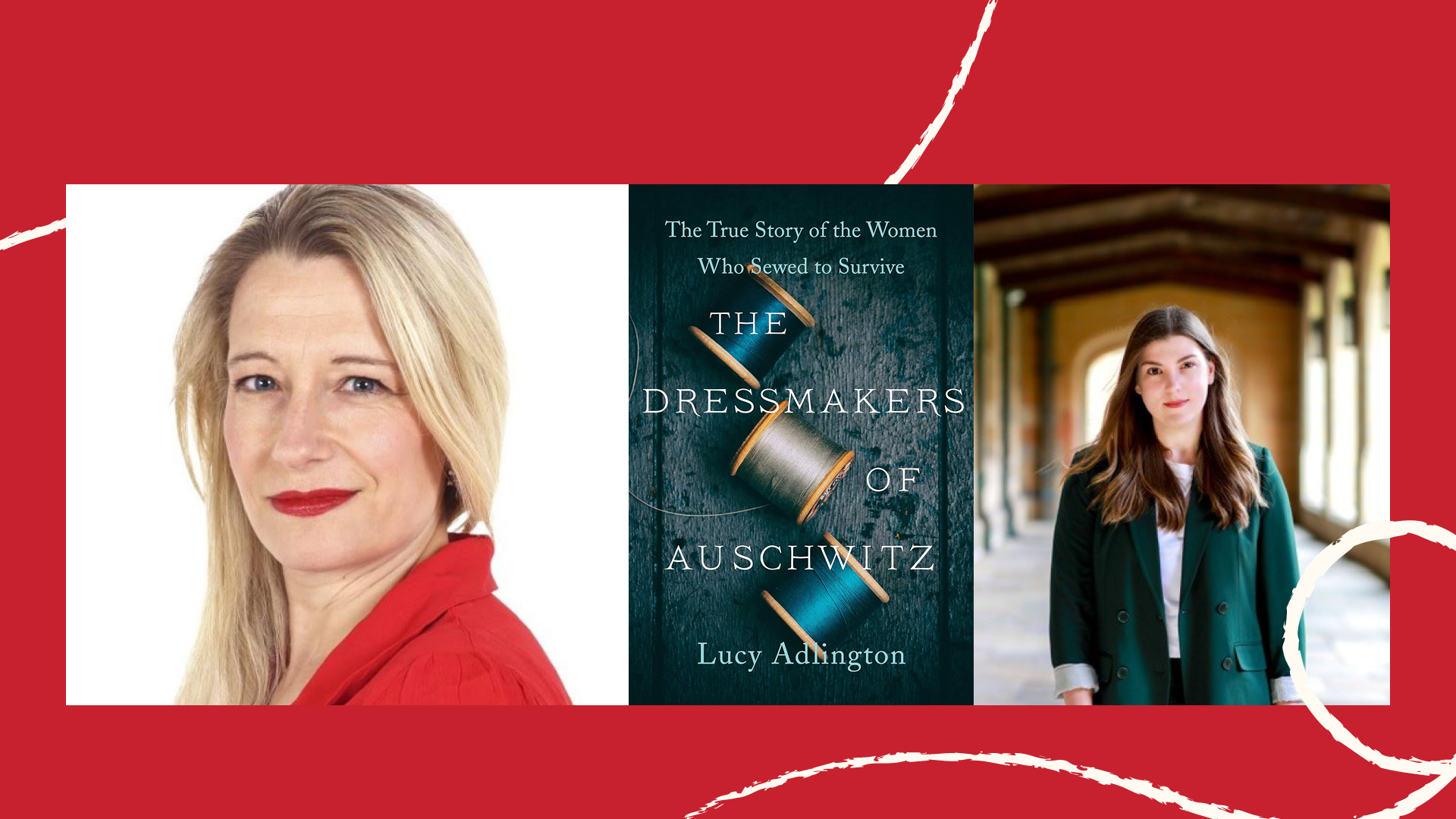
  • The Dressmakers of Auschwitz

    The Dressmakers of Auschwitz

    MJBW is delighted to bring you this special event in partnership with The Melbourne Holocaust Museum and The Shrine of Remembrance.

    At the height of the Holocaust, twenty-five young inmates of the infamous Auschwitz-Birkenau concentration camp – mainly Jewish women and girls – were selected to design, cut, and sew beautiful fashions for elite Nazi women in a dedicated salon. It was work that they hoped would spare them from the gas chambers. Drawing on diverse sources including interviews with the last surviving seamstress, The Dressmakers of Auschwitz follows the fates of these brave women.

    In this captivating event, author and historian Lucy Adlington will join us virtually from the United Kingdom to uncover these stories. In conversation with the Melbourne Holocaust Museum’s Dr Breann Fallon, Lucy will reveal the bonds of family and friendship that helped these women endure persecution. 

    Guests will have an opportunity to explore the Shrine’s exhibition Trenches to Runway: Military Influences on Modern Fashion before the talk commencesWhile the exhibition does not explore the themes in The Dressmakers of Auschwitz, it draws important parallels between the impact of military clothing design and wartime conditions on popular fashion, tracing these influences from the 1870s to the present day.

    Important things to know before you book:

    • Light refreshments will be provided after the talk.
    • Guests will have an opportunity to submit questions for Lucy in their event booking.
    • Those wishing to explore Trenches to Runway will have the opportunity to do so from 5pm to 5.50pm. We cannot facilitate viewings after the talk.
    • Entry to this event is via the Shrine’s Education Foyer.
  • JQ live – Whitewash: The Jews and Poland

    JQ live – Whitewash: The Jews and Poland

    Jan Grabowski, world-renowned Holocaust historian, discusses his ground-breaking essay ‘Whitewash’ with Jewish Quarterly Editor, Jonathan Pearlman. Grabowski examines how museums, schools and state institutions have downplayed and denied the role of Poles in the destruction of the country’s Jews. He recounts how his work led to him becoming the victim of a notorious lawsuit, and reviews the far-reaching consequences of Poland’s efforts to challenge the truth about the Holocaust.

  • Mark Raphael Baker: His Literary and Intellectual Legacy

    Mark Raphael Baker: His Literary and Intellectual Legacy

    Mark Raphael Baker was a Holocaust scholar, an inspiring teacher and the critically acclaimed author of The Fiftieth Gate and Thirty Days. He was also a much-loved member of the Melbourne and Sydney Jewish Communities. In this session, panellists who knew Mark well, will speak on aspects of his life and work and Michelle Lesh and Raimond Gaita will read from A Season of Death, Mark’s posthumous memoir, forthcoming.

  • Unforgotten: The Shoah and ancestors lost

    Unforgotten: The Shoah and ancestors lost

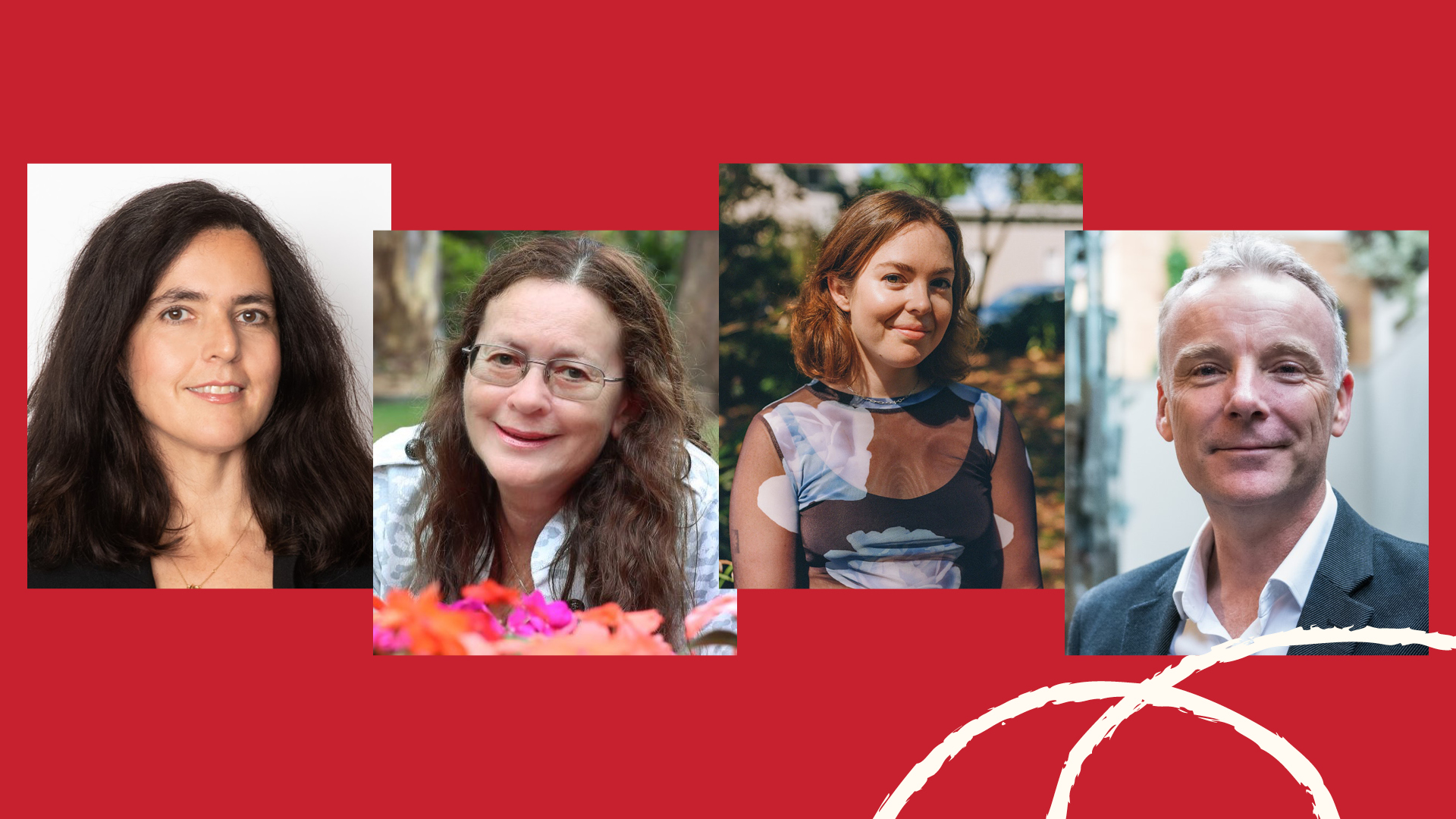
    Australia has had the largest influx of Holocaust survivors post war outside of Israel. Those survivors are now few in number leaving second and third generations to piece together their family’s stories. Rachelle Unreich has captured her mother’s story in A Brilliant Life. Tess Schofield -Peters’s book, Dear Mutzi tells of her grandfather’s experience fleeing Nazi Germany and Louise Helfgott explores her Polish family’s Holocaust past. This trio of authors discuss why they have detailed these dark family stories and what they learned by doing so.

  • Julian Borger in conversation with Rachelle Unreich

    Julian Borger in conversation with Rachelle Unreich

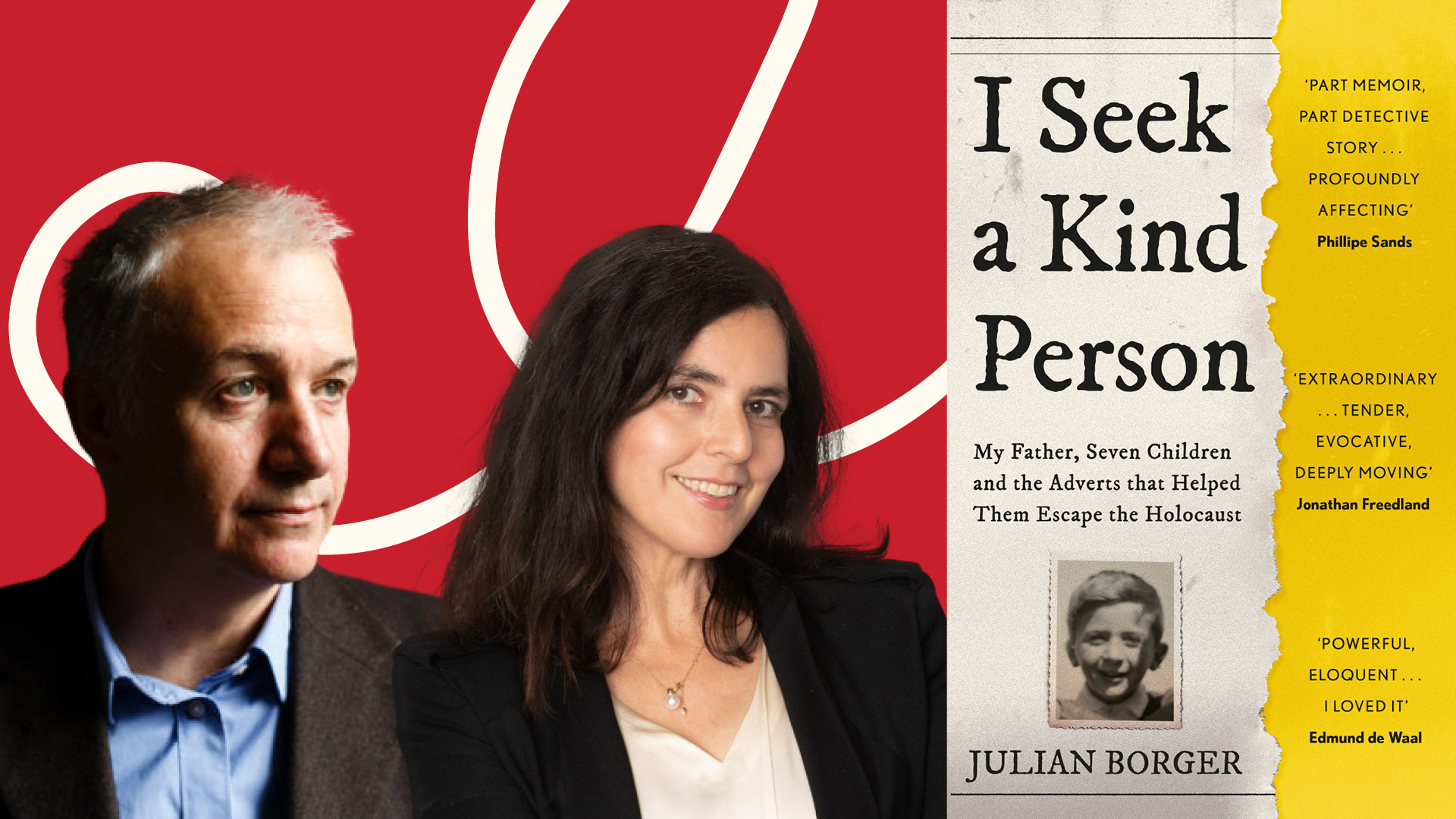
    Pulitzer prize-winning journalist and World Affairs Editor at The Guardian, Julian Borger in conversation with Rachelle Unreich, author of ‘A Brilliant Life’. They will be discussing Julian’s breakthrough, investigative memoir, ‘I Seek a Kind Person: My Father, Seven Children and the Adverts that Helped Them Escape the Holocaust’.

  • Writing Lives: Ruth Weiss & Michael Cohen

    Writing Lives: Ruth Weiss & Michael Cohen

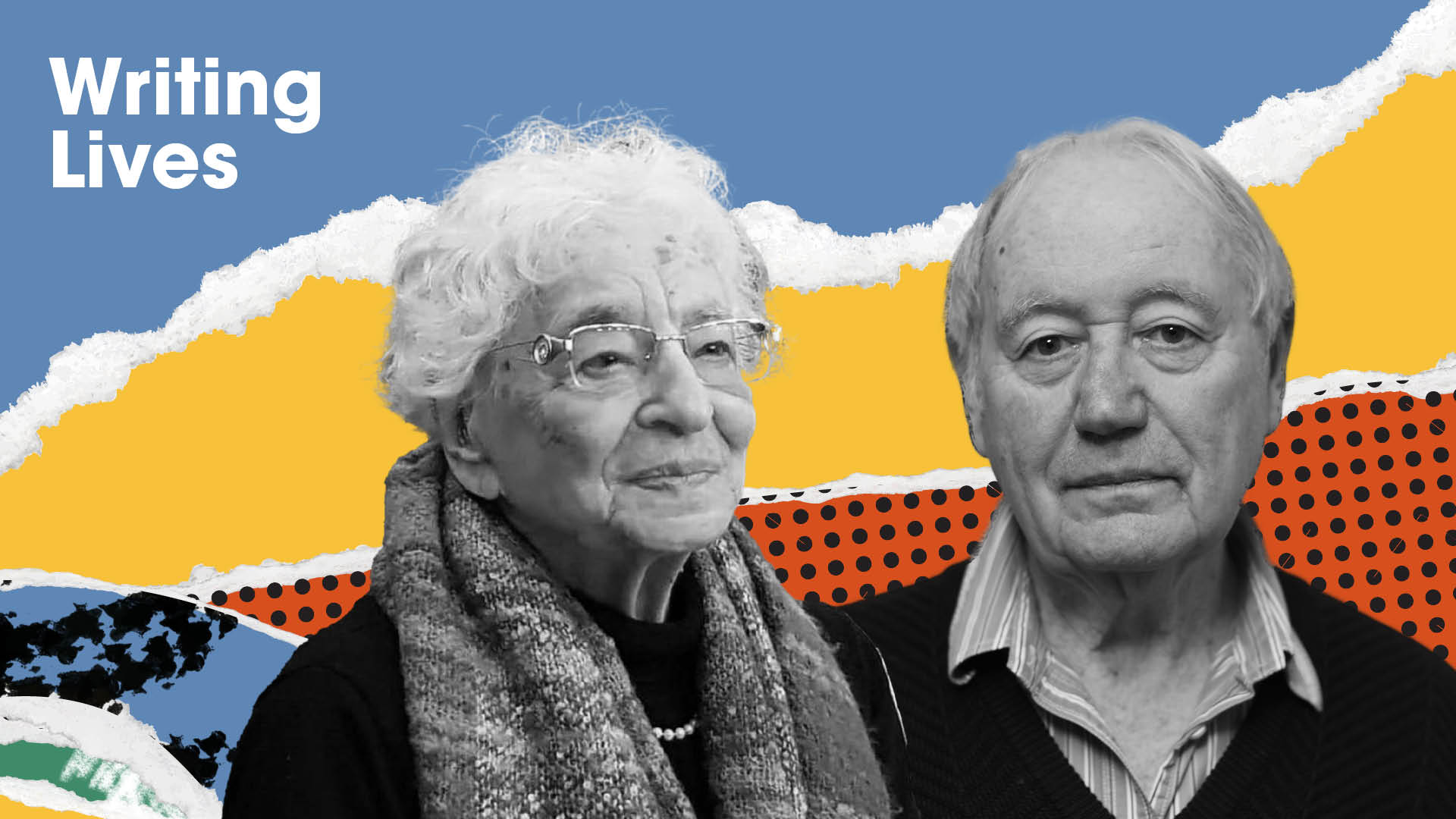
    First in our Writing Lives series, is an interview with Ruth Weiss, human rights campaigner, journalist, and activist in South Africa’s anti-apartheid movement. As a child, Ruth fled Nazi Germany with her family, arriving in South Africa only to witness oppression of a different kind. Ruth remains an outspoken voice against hatred in any form and, at 98, is finally receiving international public recognition for a lifetime of activism.

    Ruth will be interviewed by South African born educator and historian Michael Cohen.

  • Book Chat: Nina Bassat on ‘Take the Child and Disappear’

    Book Chat: Nina Bassat on ‘Take the Child and Disappear’

    In this Book Chat, Nina Bassat not only explores her family’s experiences before, during and after the Shoah, and contemplates how being a child survivor has shaped her life, she also discusses the process of writing a memoir, and how it draws in other family members.

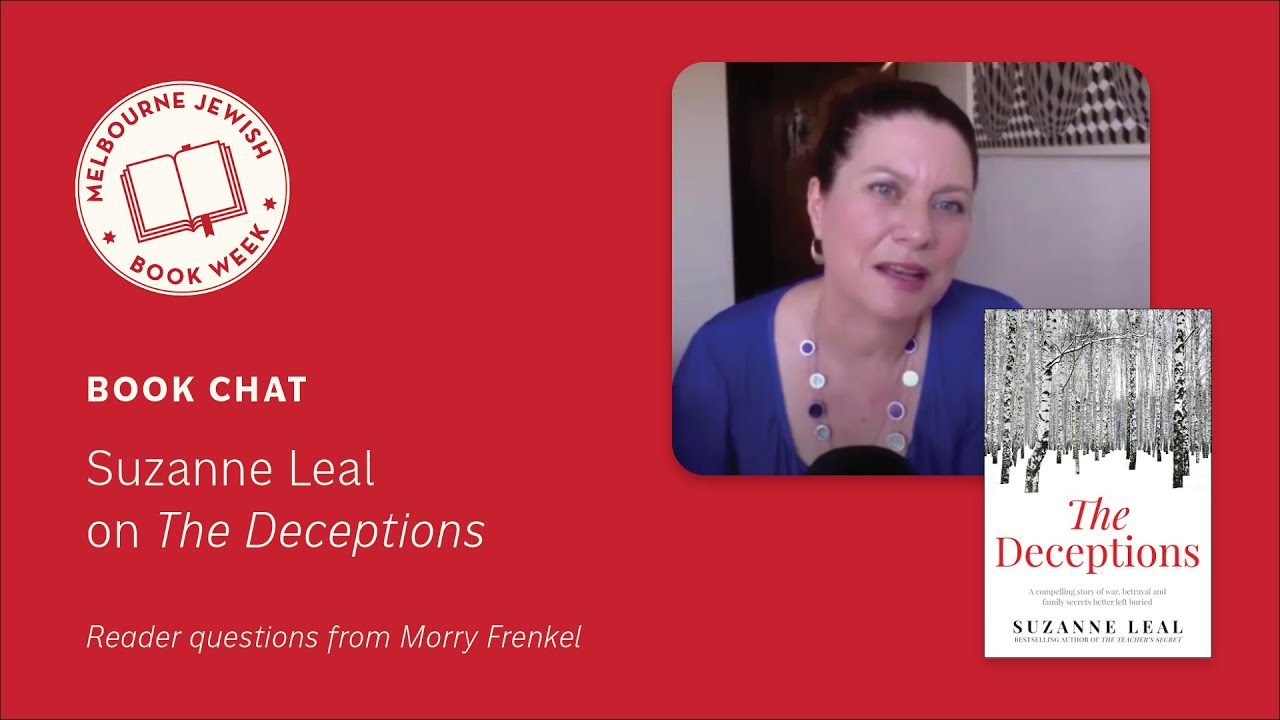
  • Book Chat: Suzanne Leal on ‘The Deceptions’

    Book Chat: Suzanne Leal on ‘The Deceptions’

    In Suzanne Leal’s book chat, the writer discusses the responsibilities an author has when writing a novel about the Holocaust, and whether it’s ever really possible for an author to leave one’s stories and characters behind.

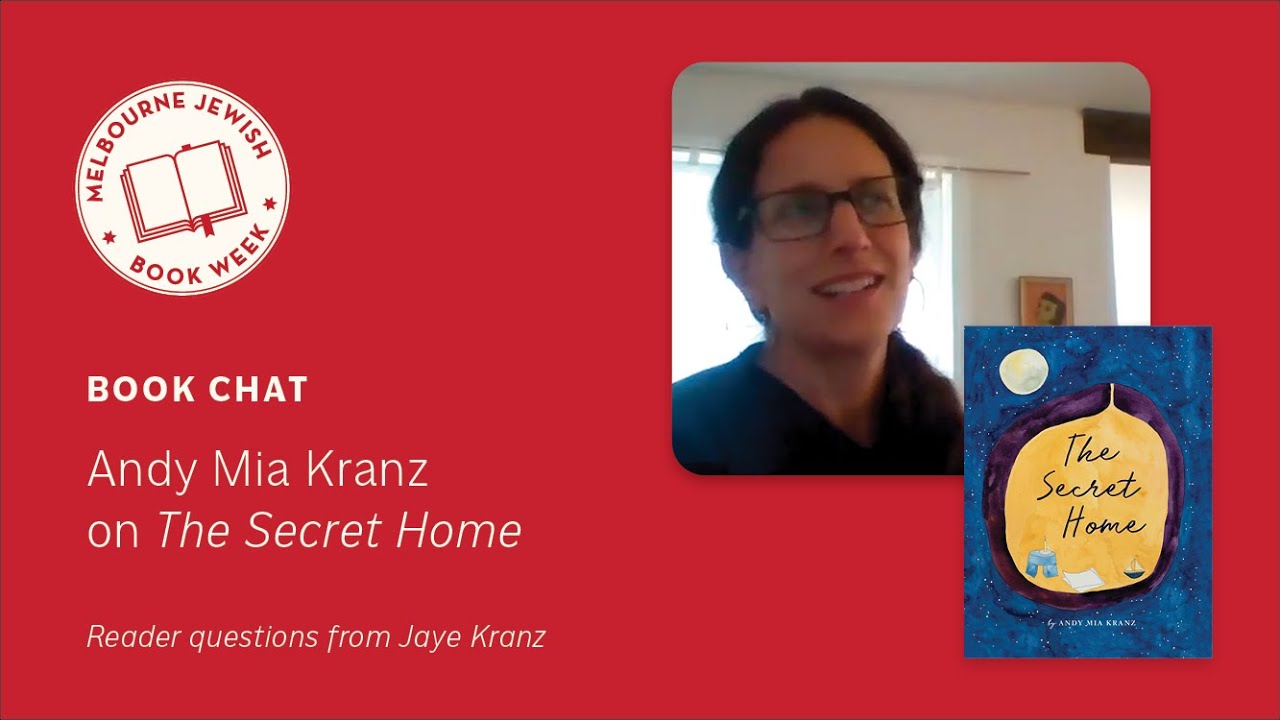
  • Book Chat: Andy Mia Kranz on ‘The Secret Home’

    Book Chat: Andy Mia Kranz on ‘The Secret Home’

    The seed for Andy Mia Kranz’s first book, The Secret Home, was formed through a vivid story told to her many times by her grandfather when she was a child. Andy wrote, illustrated and self-published this book. She has also worked as a medical practitioner and maker of fine timber furniture, and currently works as a lecturer in health science.

    In her book chat, Andy discusses the development of her unique visual style, and balancing tale, allegory and fable against the stark background of war and the Holocaust.

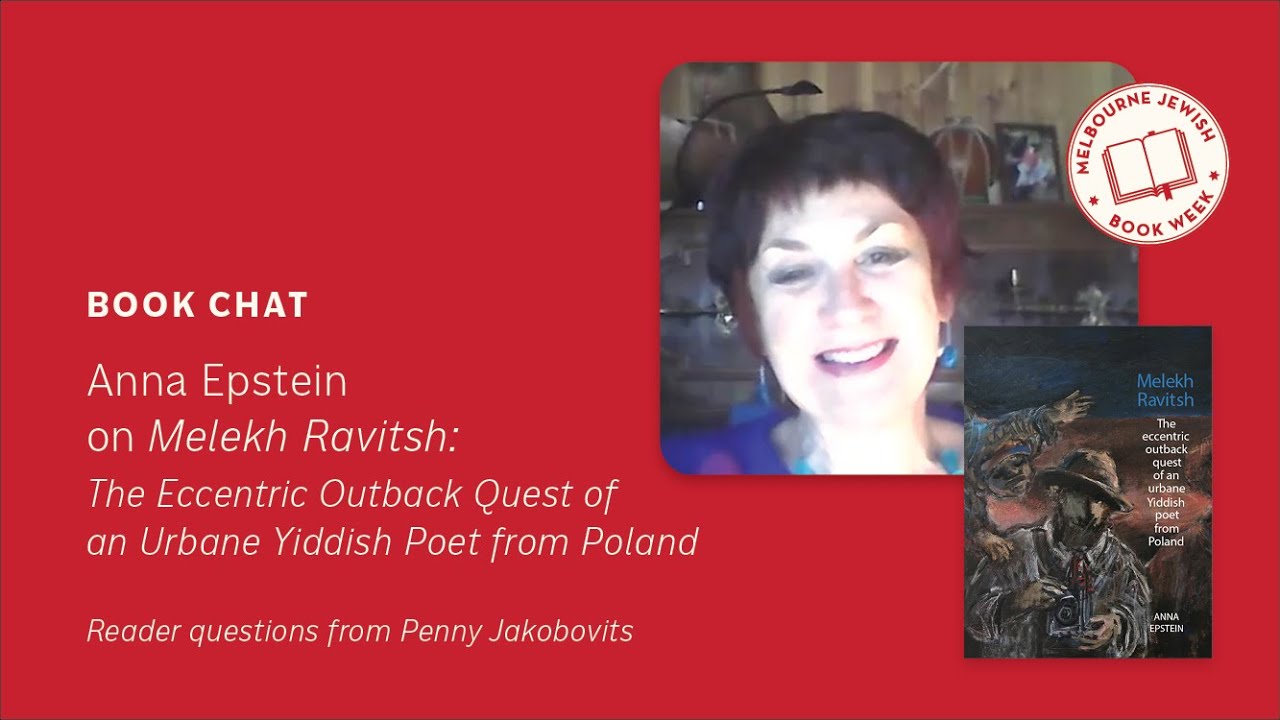
  • Book Chat: Anna Epstein on ‘Melekh Ravitsh’

    Book Chat: Anna Epstein on ‘Melekh Ravitsh’

    Born in Melbourne to Yiddish-speaking Polish Jews of the Holocaust generation, Anna Epstein’s interest in the plight of those fleeing misfortune was awakened early. Anna worked for twenty years as editor and curator at the Jewish Museum of Australia. Lately she has worked mainly for the Yiddish cultural centre, Kadimah.

    In her book chat, Anna explores her work of non-fiction — Melekh Ravitsh: The Eccentric Outback Quest of an Urbane Yiddish Poet from Poland. What was Melekh Ravitsh’s outback quest, and how much did the How much did the modernist art of Yosl Bergner, Ravitsh’s son, influence her decision to write the story?